“Post at night… wake up viral.”
It sounds unrealistic, but in 2026 this happens more often than people think — even for creators with very small channels.
The reason behind this is the YouTube algorithm, which decides which videos get recommended to viewers and which ones don’t. It analyzes viewer behavior, engagement, and content quality before pushing a video to a larger audience.
If you understand how the algorithm works, you can significantly increase your chances of reaching thousands — or even millions — of viewers, regardless of your subscriber count. This is why understanding platform algorithms is a core part of most digital marketing courses today.
How the YouTube Algorithm Actually Works Today
YouTube no longer rewards creators just for posting frequently. In 2026, the platform clearly prioritizes quality over quantity.
The algorithm mainly evaluates three things:
- Click-Through Rate (CTR)
- Watch Time
- Engagement (likes, comments, shares)
Industry data shows:
- Average YouTube CTR ranges between 2% and 10%
- Videos performing above 6–8% CTR are considered strong
- Approximately 70% of total watch time on YouTube comes from recommendations
This means most views do not come from search — they come from the algorithm suggesting your content.
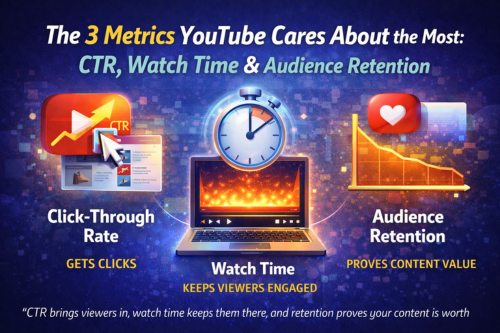
The 3 Metrics YouTube Cares About the Most
1. Click-Through Rate (CTR)
CTR measures how many people click on your video after seeing your thumbnail and title. If viewers don’t click, the algorithm has no reason to promote your content further.
2. Watch Time
Watch time reflects the total time people spend watching your video. The longer viewers stay, the more valuable YouTube considers your content.
Videos that retain viewers for 50% or more of their total duration typically perform better in recommendations.
3. Audience Retention
Audience retention shows exactly how long viewers stay on your video. A strong retention curve signals that your content is engaging and worth recommending.
The first 30 seconds of a video are critical. If a large percentage of viewers leave early, the algorithm reduces its reach.
Why Small Channels Sometimes Go Viral Faster Than Big Creators
Many new creators assume that large channels always dominate the platform. However, YouTube’s system actually gives new content a chance by testing it with a small audience first.
If that audience responds well, the video is pushed to a larger group. This is why even channels with fewer than 1,000 subscribers can experience sudden viral growth.
Small creators also benefit from:
- More focused and niche content
- Higher authenticity and relatability
- Stronger interaction within smaller communities
These factors often lead to better engagement, which the algorithm rewards.
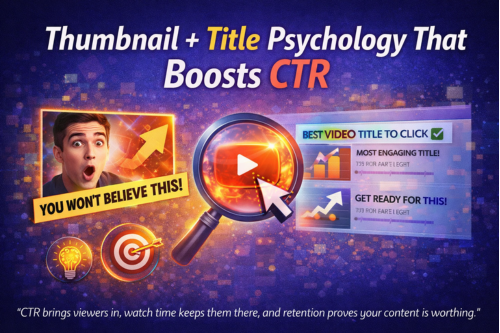
Thumbnail and Title Psychology That Boosts CTR
Your thumbnail and title are the first things viewers notice. Within seconds, they decide whether your video is worth watching.
Effective thumbnails usually include:
- Bold and clear text
- High contrast visuals
- A single, focused subject instead of cluttered elements
Titles perform well when they:
- Are simple and easy to understand
- Create curiosity
- Use specific numbers or outcomes, such as “5 mistakes to avoid” or “3 simple tricks”
Even small changes to a thumbnail can increase CTR by several percentage points, which directly affects reach.
The “First 24 Hours” Strategy for New Uploads
The first day after uploading a video plays a major role in its long-term performance. During this time, YouTube collects data about how viewers react to your content.
A strong launch strategy includes:
- Posting when your audience is most active
- Using a compelling thumbnail and title from the start
- Responding quickly to comments to boost engagement
- Monitoring CTR and retention in the early hours
- Avoiding multiple uploads at the same time
Early performance signals help the algorithm decide whether your video should be promoted further.
Common Mistakes That Kill Video Reach
Some mistakes consistently reduce a video’s chances of being recommended:
- A slow or boring introduction that fails to grab attention
- Weak thumbnails or unclear titles that reduce clicks
- Uploading content without understanding the audience’s interests
- Inconsistent posting schedules
- Ignoring comments and viewer interaction
- Poor audio or video quality
- Misleading thumbnails and titles that cause viewers to leave quickly
While clickbait may generate initial clicks, it usually harms retention and long-term channel growth.
Quick Checklist Before Publishing a Video
Before uploading, creators should review the following:
- Is the thumbnail clear, attractive, and easy to understand?
- Does the video hook viewers within the first few seconds?
- Is the audio and video quality clean and professional?
- Is the upload time aligned with audience activity?
- Does the video encourage viewers to engage?
- Is the content relevant to the target audience?
- Are CTR, watch time, and retention optimized?
- Does the video provide real value instead of filler content?
Final Takeaway
In 2026, YouTube success is not determined by channel size alone. The platform prioritizes content that viewers actually choose to watch and continue watching.
Creators no longer need expensive equipment, massive subscriber counts, or daily uploads to grow. What matters most is:
- Strong storytelling
- Clear value for viewers
- Consistency in quality
- Understanding how the algorithm evaluates content
When these elements are in place, even small creators can compete — and sometimes outperform — larger channels.