Puzzled by the Algorithm: Are You Aware of Shadow Ban?
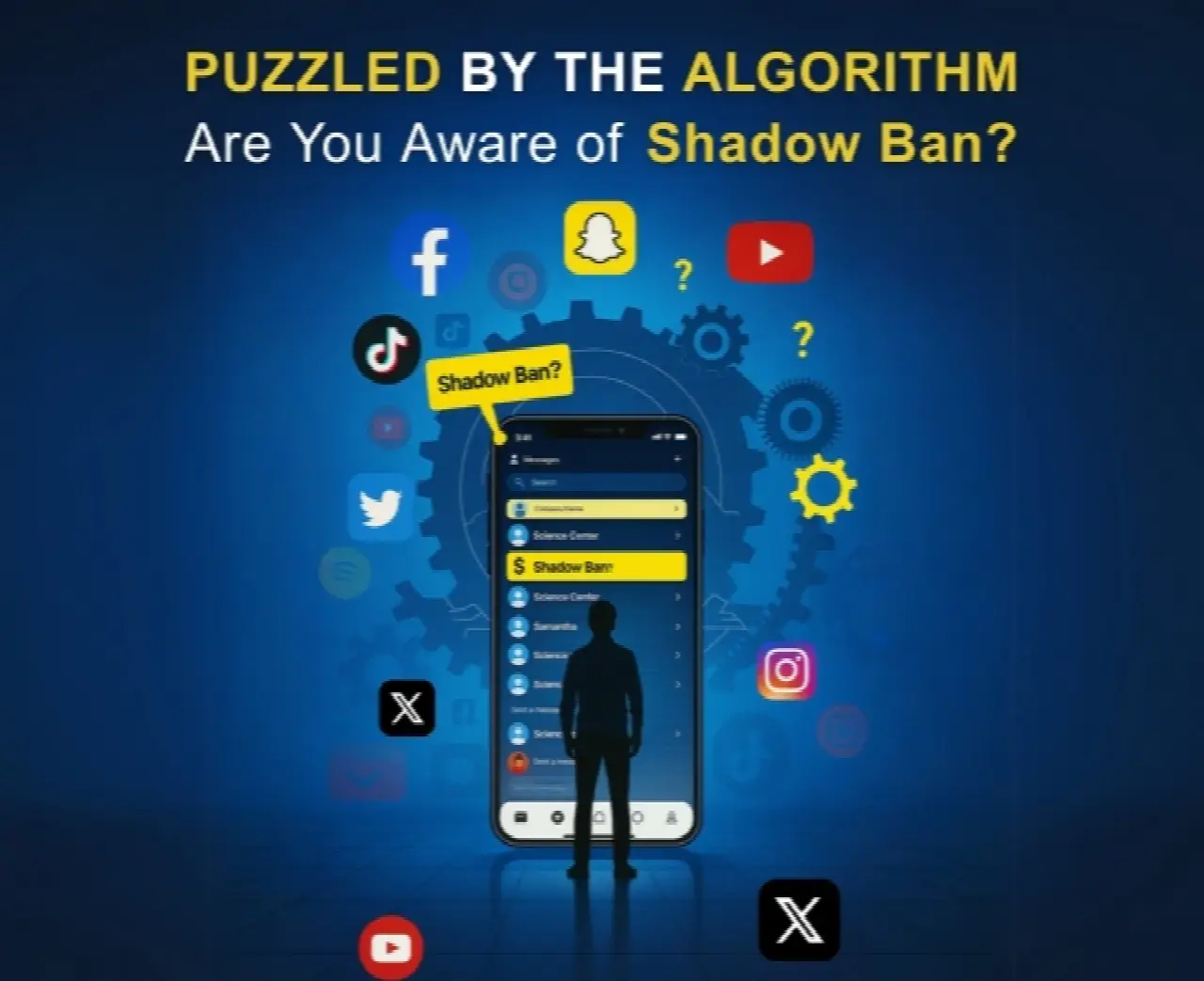
Worried that your content reach is suddenly restricted?
This article goes in-depth into the shadow-banning world that is usually misconceived. You've likely seen a drastic drop in engagement, fewer likes, or random limits on your social media behavior. You're not alone if that's something that has happened to you. Shadow banning is an insidious danger, and the first step towards fighting it successfully is to understand it.
IS SHADOW BANNING REAL?
Yes, shadow banning is very much real, though social media companies often deny explicitly using this terminology. The term refers to an algorithmic approach where the visibility of your content is reduced without notifying the user. This approach differs significantly from a direct ban or strike because the account still appears active, but its impact is diminished.
Major platforms like Instagram, Twitter (now X), and Facebook may not admit to the practice openly, but do admit to algorithmic suppression of content that could be inappropriate or go against their community standards.
For example, Instagram has been known to reduce the reach of posts that aggressively overuse hashtags or use banned ones. Twitter (X) has had instances where tweets demonstrating bot-like behavior or controversial political content are silently suppressed. Meanwhile, Facebook operates with a content demotion policy, where content deemed borderline or low-quality is pushed lower in feeds.
However, it's important to remember that not every decline in engagement is due to a shadow ban. Algorithms change regularly. Audience preferences shift. Timing and frequency of posting can also impact reach.
Many social media professionals now explore a digital marketing course to stay updated on these evolving algorithms and content best practices.
WHAT IS SHADOW BANNING?
Shadow banning refers to a covert restriction placed on users and their content by social media platforms without any formal notification. Users remain unaware because they can continue posting, commenting, and using platform features. However, the visibility of their content is drastically reduced.
This phenomenon is also known as a "stealth ban" or "ghost ban." The term reflects how users are essentially invisible to others despite being active. Their posts may not show up in search results, hashtag feeds, or followers' timelines, drastically reducing organic engagement.
Shadow banning differs from outright bans because it allows users to continue using the platform without realizing their reach has been limited. The silent nature of the ban often leaves users confused, wondering if it's their content, the algorithm, or just a bad week for engagement.
For content creators, marketers, professionals, and small businesses, shadow banning can be damaging. Their ability to reach potential clients, grow their community, or share valuable information becomes compromised.
WHEN DID SHADOW BANNING BECOME A COMMON PRACTICE ONLINE?
The concept of shadow banning originated in the early 2000s within online forums. Moderators wanted to limit disruptive users without outright banning them, so they hid their posts from everyone except the original poster.
As social media platforms like Twitter (X), Instagram, and Facebook gained prominence, the practice became more algorithmically driven and widespread. The term gained popularity in 2018 after a Vice News investigation revealed that prominent Republican politicians weren’t appearing in Twitter’s auto-populated search results, which sparked accusations of political bias and covert content suppression.
This led to broader discussions about transparency and fairness in social media algorithms. While platforms have since clarified their policies, many users still report sudden drops in reach and visibility, consistent with the effects of shadow banning.
WHICH PLATFORMS ARE MOST COMMONLY ACCUSED OF SHADOWBANNING?
Several platforms have come under scrutiny:
- Instagram: Frequently criticized for hiding posts that touch on political issues, mental health, LGBTQ+ rights, and sensitive cultural topics. Users have also noted suppression when using certain hashtags or sharing activism-related content.
- Twitter (X): Accused of limiting the reach of politically charged tweets or information deemed controversial. The platform has taken steps to flag sensitive content, which can reduce visibility.
- Facebook: Uses algorithmic controls to demote low-quality, misleading, or borderline content. Though it avoids the term shadow ban, it admits to using content suppression practices.
- LinkedIn: While not commonly associated with shadow banning, users have experienced content reach limitations, especially around polarizing industry issues, diversity debates, or controversial company practices.
As platforms continue to walk the fine line between free expression and user safety, algorithmic moderation remains a sensitive area.
WHAT ARE THE SIGNS THAT SOMEONE MIGHT BE SHADOW BANNED?
Here are clear indicators:
- Sudden Engagement Drop: Significant declines in likes, comments, views, and shares.
- Post Not Visible: Posts don’t appear in follower feeds or under hashtags when checked from a different account.
- Hashtags Not Working: Your content doesn’t show up in the hashtag feed despite proper usage.
- No New Followers: A stagnation in follower count despite active posting.
- Restricted Features: Inability to go live, tag users, or access collaboration tools without any formal warning.
- No Platform Notification: No email or warning—your content is simply buried without explanation.
These signs often overlap with algorithmic changes, which can make it challenging to pinpoint a shadow ban. But a combination of these factors over time can strongly suggest restricted visibility.
WHAT KIND OF CONTENT SPARKS A SHADOW BAN?
Platforms are governed by community standards. Content that violates these rules—or skirts too close—may trigger suppression. Examples include:
- Hate speech or inflammatory remarks
- Copyright violations
- Sexually explicit or graphic content
- Misinformation or conspiracy theories
- Spam or clickbait tactics
Even if your intent is not malicious, the algorithm may flag your content based on user reports, keyword usage, or visual analysis.
TYPES OF CONTENT IN DETAIL THAT MAY CAUSE SHADOW BAN
- Political or Activist Content: Posts about politicians, social justice, or activism—especially those challenging mainstream narratives—can get flagged.
- Repeatedly Reported Content: If several users report your posts or profile—even unjustifiably—algorithms might restrict visibility pending review.
- Spammy Behavior: Excessive use of hashtags, posting the same content repeatedly, or engaging in bot-like behavior can raise red flags.
- Clickbait or Misleading Content: If headlines or thumbnails are misleading, users may report your content or exit quickly, signaling low quality.
- Low Quality Visuals: Blurry images, distorted videos, or unclear graphics may result in content being deprioritized to protect the user experience.
HOW TO AVOID BEING SHADOW BANNED
Taking preventive steps is essential:
- Stay Within Guidelines: Always review the platform’s community standards. Avoid offensive language, misinformation, or prohibited visuals.
- Use Hashtags Thoughtfully: Don’t overuse or rely on banned hashtags. Keep them relevant and targeted.
- Engage Authentically: Don’t copy-paste the same comments. Build relationships through thoughtful interactions.
- Avoid Third-Party Automation Tools: Fake likes, auto-comments, or mass following apps can get you flagged.
- Consistent Posting: Stick to a content calendar but avoid spammy frequency.
Engaging meaningfully and producing high-quality, original content reduces your chances of being shadowbanned.
WHAT TO DO IF YOU BELIEVE YOU HAVE BEEN SHADOW BANNED
Here’s how to regain control:
- Audit Your Content: Look back at your recent posts for anything that may have violated guidelines.
- Take a Short Break: Stop posting for 2–3 days. Let the algorithm reset.
- Test Your Visibility: Post something using a rare hashtag and ask a friend to search for it.
- Edit or Delete Questionable Content: Clean up posts that may be borderline or misleading.
- Contact Platform Support: Use the help center or appeals process.
- Improve Your Content Strategy: Focus on clarity, originality, and engagement.
- Use Analytics Tools: Monitor trends and performance to identify unusual changes.
- Create a Backup Account: Useful in extreme cases where recovery is not possible.
FINAL THOUGHTS
Shadow banning remains a silent yet powerful mechanism for content moderation. Though platforms may not admit to using the term, their algorithms undeniably affect how your content is seen—or hidden. For creators, marketers, and professionals leveraging social media, understanding shadow bans is critical to sustaining visibility and growth.
The best defense is awareness, strategy, and authentic engagement. Remain informed, comply with community rules, and always prioritize meaningful content over shortcuts.
Written by
Manjot Kaur Gill
Webcooks Team
Keep reading