The Science of Going Viral: How to Use Memes to Hack Social Engagement
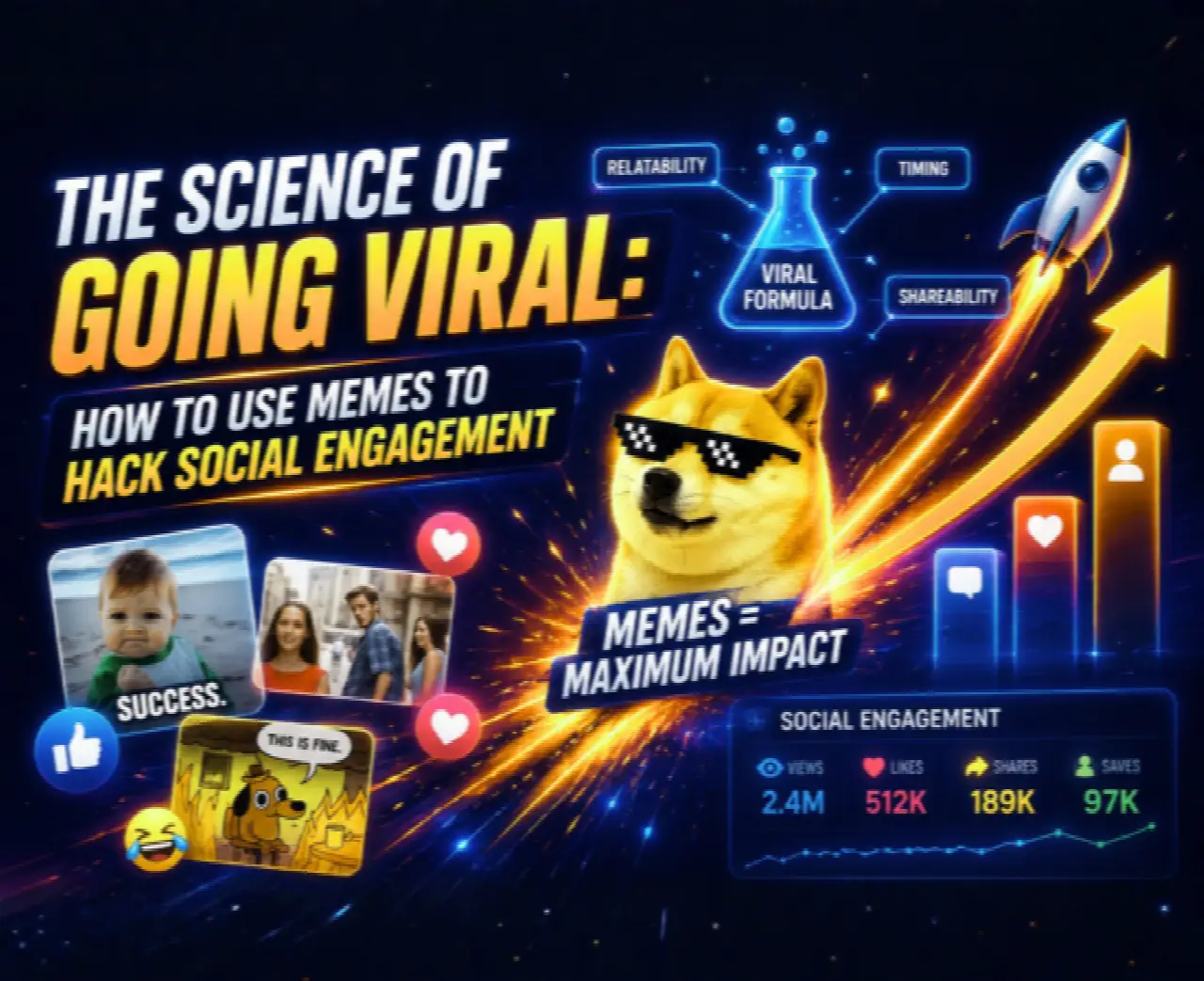
The Science of Going Viral: How to Use Memes to Hack Social Engagement
Brands used to emphasize perfection in their sound a few years ago. Every caption felt like it had gone through five rounds of approval. And honestly, most of it sounded the same, then memes quietly took over. Not in a “strategy deck” kind of way. Just naturally. People started sharing things that felt more real—quick thoughts, inside jokes, relatable moments. And brands that paid attention to that shift didn’t just get more likes, they started feeling more human.
That’s the real shift here. Meme marketing isn’t about being funny for the sake of it. It’s about sounding like you actually exist in the same world as your audience.
The Language of the Internet: Why Memes Are the Ultimate Form of Empathy
Memes are the new language of communication. Not in full sentences, not in long explanations. Just a quick image or line that says, “This is exactly what I mean.”You send a meme to a friend, and they instantly get it, no context needed.
That’s what makes them powerful for brands, too. When you use a meme the right way, you’re not explaining anything—you’re recognizing something your audience already feels, but this is also where brands mess up. Even if you utilize meme formats doesn't mean you are separating yourself from it. People can tell if something feels off and can attribute it to several different reasons (ie. You're using a formal tone, your joke missed the mark, or you are late in marketing your product, and the feedback from consumers is not frustrated its just that their silence represents your unsuccessful marketing campaign. People just scroll and don’t engage, so the real job isn’t “make memes.” It’s understanding why something is relatable in the first place.
Speed to Market: How to Capitalize on a Viral Trend Before It Fades
Memes don’t wait. That’s probably the simplest way to put it. Something is trending today, overused tomorrow, and completely irrelevant a few days later. And most brands just aren’t built to move at that speed.
There’s usually a lag—ideas, approvals, revisions. All important, but too slow for this format. The brands that get this right treat meme content differently. It’s not handled like a big campaign. It’s lighter, quicker, and based more on instinct, which doesn’t mean careless. It just means prepared. They already know their tone. Your audience will be able to see what is relevant and not. When the relevant occurs, they do not give it a second thought because in meme marketing, time always trumps perfection
Brand Safety vs. Brand Relevance: Finding the Sweet Spot for Your Humor
This is the point when the majority of companies become uncomfortable. . You want to be relevant. You want to feel current. But you also don’t want to cross a line or damage your brand. So the safe option is to hold back. The problem is- playing it too safe usually means being ignored.
The better approach is being selective, not silent. Not every trend deserves your version. Different things are funny to different areas of your brand voice. An easy litmus test for meme marketing: ask yourself whether it's something you'd see your target audience sharing anyway. If you have to justify why it's fine, chances are it's not. Good meme marketing isn’t about pushing limits. It’s about knowing where yours are.
The Self-Aware Brand: Making Fun of Your Own Industry to Build Trust
One thing that almost always works? Self-awareness. People already know the flaws in your industry. They’ve experienced them. They turn the joke on themselves, and therefore, if the brand does likewise, it doesn't signify a lousy choice, but it instead makes the brand relatable.
Whether it be a small detail such as referencing a common annoyance that the company believes everyone can relate to, or a general stereotype that everyone can identify with, it creates an authentic feel and makes the brand seem more 'real' than perfect, plus it changes the way that people see the brand providing them with a broader scope than just having to sell their goods but now have the opportunity to participate in the conversations going on.
Formatting for the Platform: Why a Twitter Meme Looks Different Than a Reels Meme
A lot of brands make this mistake once; they find a meme that works, then post it everywhere the same way, and then it flops, not because it’s bad, but because platforms work differently.
Some spaces are fast and text-heavy. People scroll quickly and react instantly. Others are more visual. Some rely on timing and delivery more than anything else. So the same idea needs a different format.
Much in the way you tell the same tale to multiple people, the information doesn’t change, but you do make some slight adjustments to fit it to those people. Companies that understand this will never reuse the same content.They reshape it so it feels natural wherever it appears.
Creating Original Templates: Inspiring Your Audience to Remix Your Content
Eventually, the trend will shift, and people will start creating new content for their audiences based on what you gave them. This is when you know that you have accomplished something monumental, as it has now become a trend within itself.
When it comes to templates, simplicity is always preferred. The main thing is that people will see a part of themselves in whatever you post online. Once they see this, they become engaged with the post. When people get the feeling that they can personalize and distribute the image, it goes viral, and you lose control.
It becomes something people use—and that’s where real reach comes from—the Engagement Spike: Using Humor to Hack the Algorithm's Reach. Memes naturally perform well. It is fast, relatable, and easy to spread. People use hashtags, message their friends or react to the content immediately, causing immediate engagement. This helps to generate more attention, yes, but there is one tiny trick here.
If all your posts become similar and are aimed at achieving this result, it may seem as a desperate attempt. The audience feels it if something is pushed. Memes are good when used within an appropriate strategy, not alone. They initially create interest, but what happens after that is where the difference is made.
Measuring the Intangible: How Brand Affinity Translates into Long-Term Loyalty
This is where data analysis fails. Engagement metrics work well enough. Reach metrics work well enough. Sentiment cannot be accurately measured, and this is precisely what a successful meme marketing campaign fosters. Over time, you become known. Your tone becomes recognizable. Your content becomes engaging.
It is not about going viral once. It is about staying consistent. When it comes time for the user to purchase what you sell, they choose you not because of one singular event but rather because of the culmination of everything leading up to it.
Final Thought
Meme marketing does not mean trying to be funny. It means trying not to sound like a brand all the time. This may sometimes require being a little bit irreverent. A bit imperfect. A bit more like how people actually talk, because in the end, people don’t share things because they’re perfect. They share them because they feel real.
Written by
Simer Ghuman
Webcooks Team
Keep reading